
There's a popular take that rec teams shouldn't buy new jerseys every season — and honestly, it's right. Most teams replace their kit every year not because the jerseys wore out, but because they bought them in a way that forced a do-over: a roster changed, a few players left, three new ones joined, and suddenly the old set doesn't work anymore.
The fix isn't buying tougher jerseys. It's buying smarter ones — choosing a setup that survives roster churn so you're not starting from scratch every season. Here's how to do that.
1. Skip full custom. Go standard.
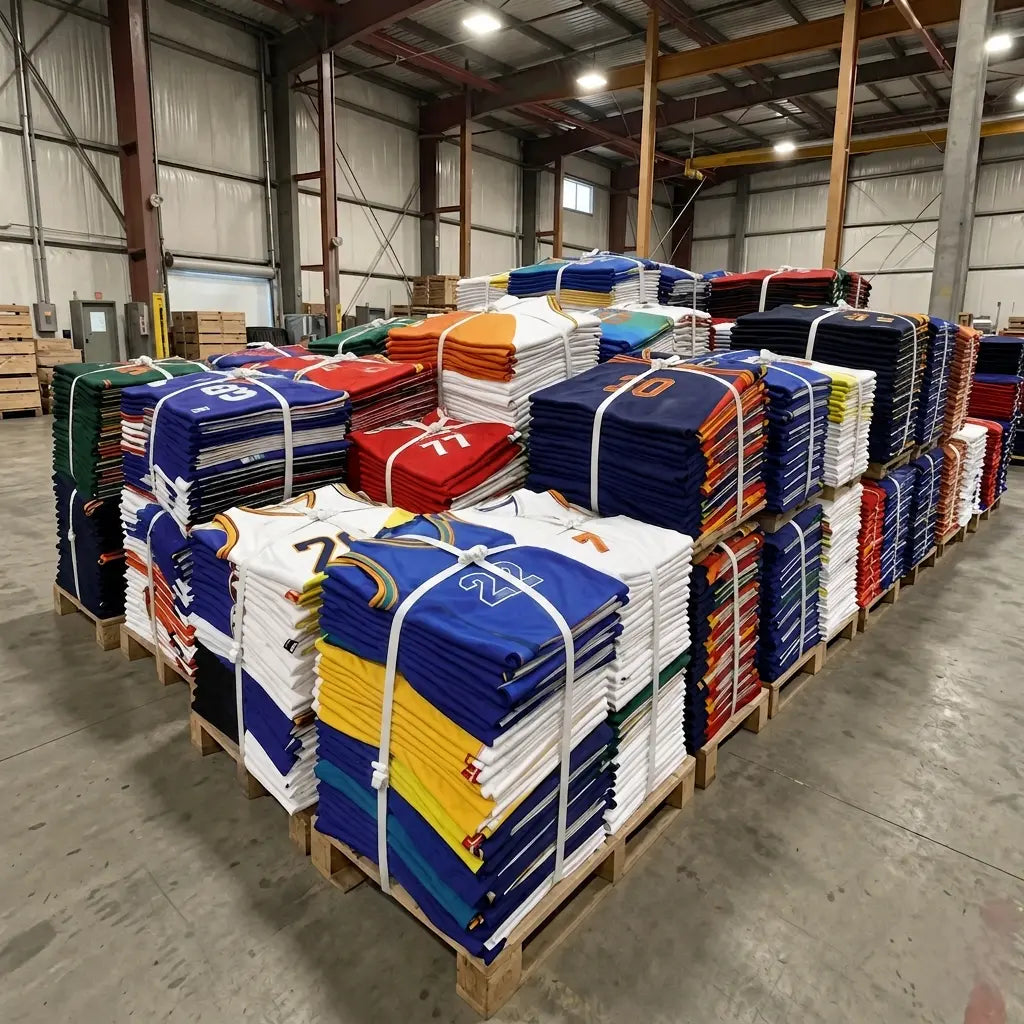
This is the counterintuitive one. Full custom jerseys — your own colors, unique design, logo — feel like the premium choice, but they're the main reason teams get locked into annual rebuys. A bespoke design is, by definition, a one-time print run. When you need to add a player next season, you can't just order one more; you'd have to re-run the whole custom job.
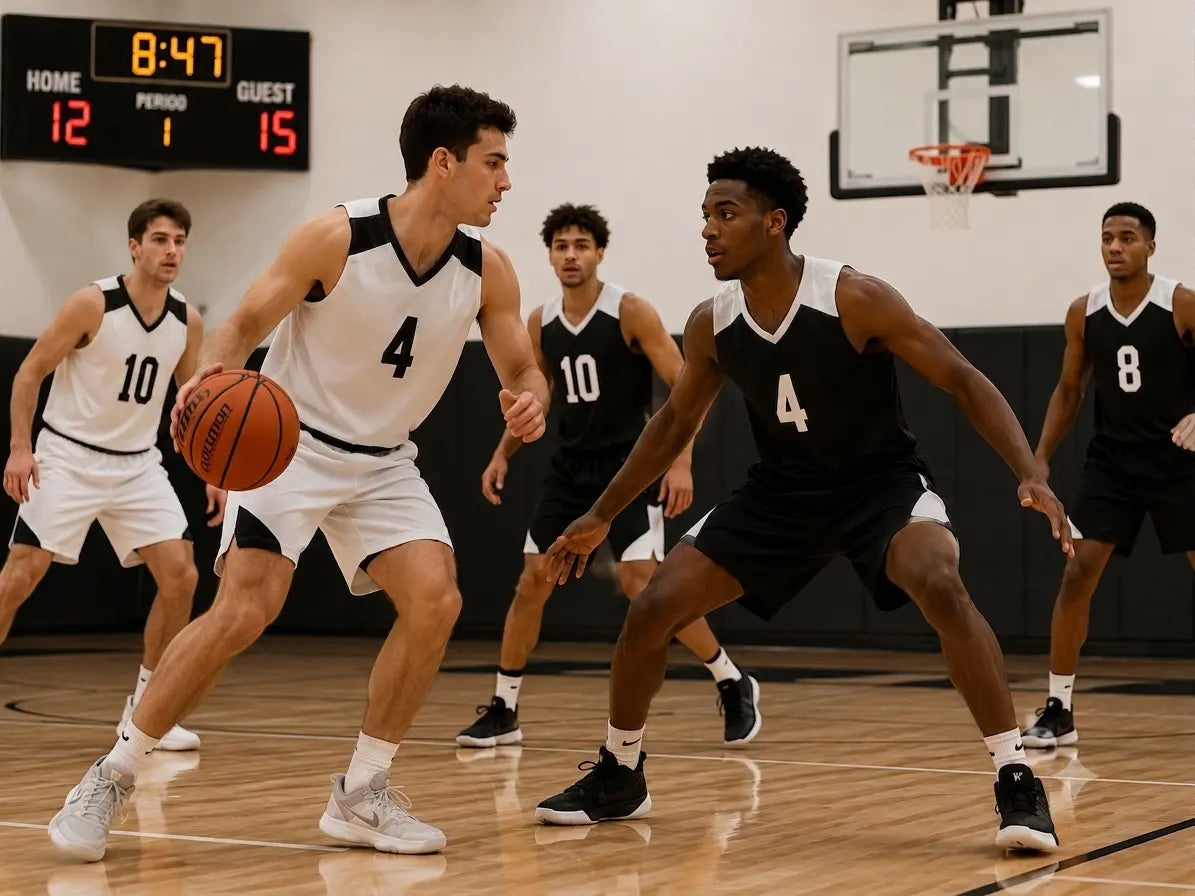
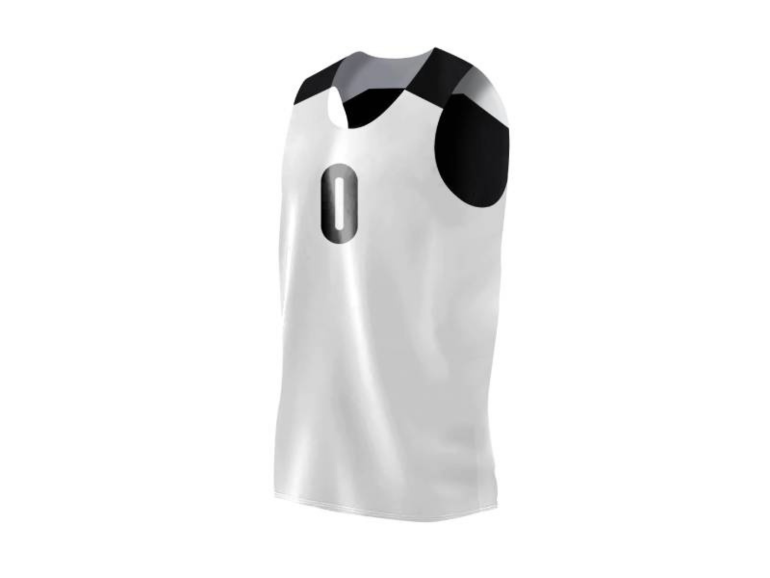
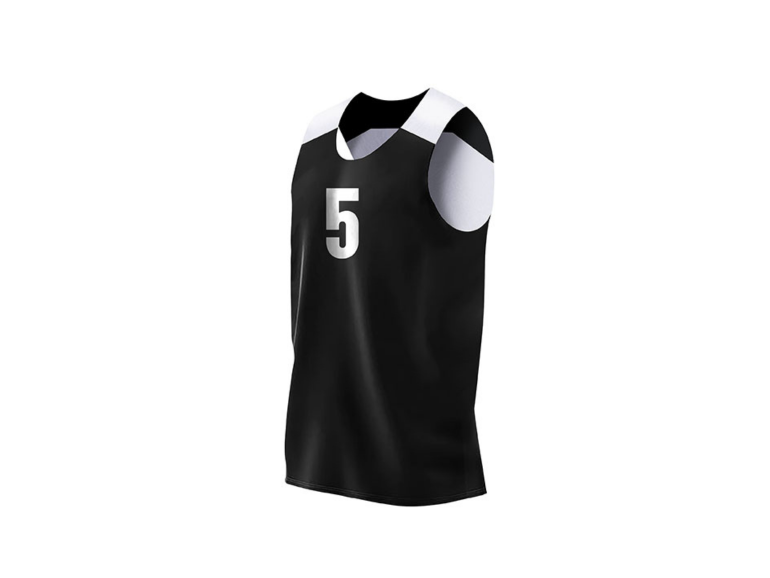
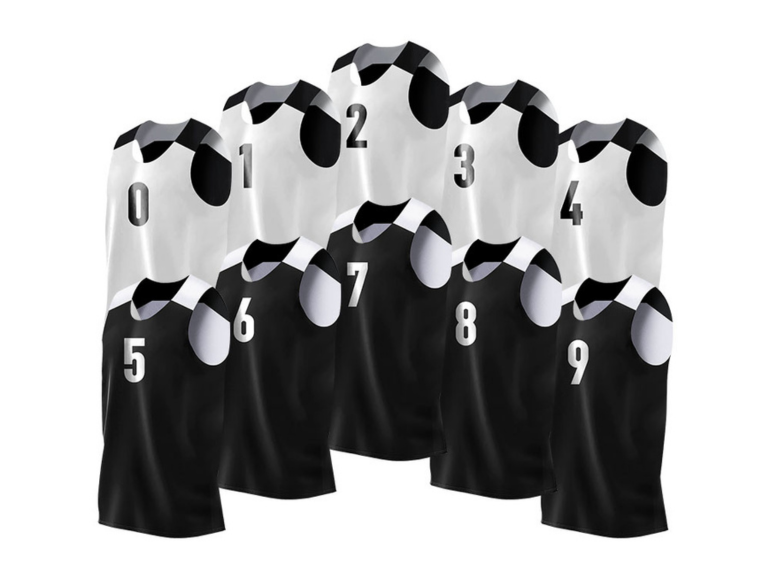
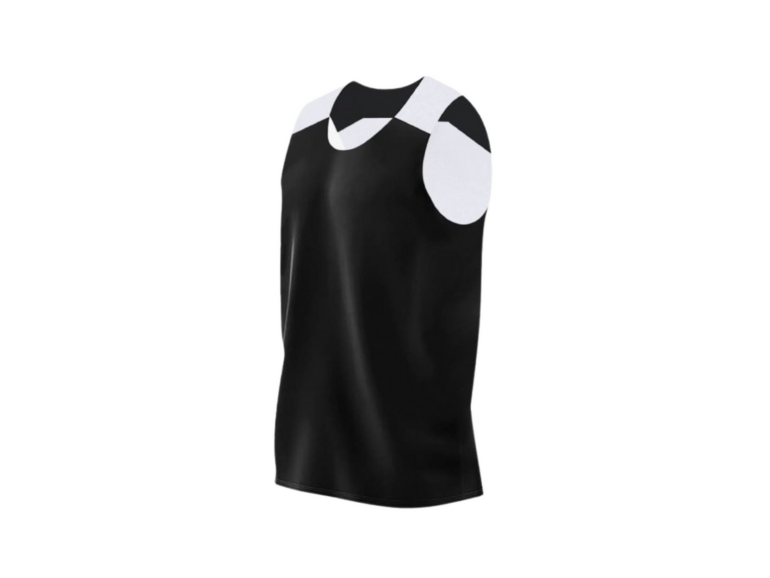
Standard kit avoids the trap. Go with the basics: black-and-white reversibles, or two jerseys (one of each color). There's a reason these are standard — they're the most universal colors, and they pair cleanly with other jerseys in the same palette. A plain black or white jersey mixes fine with another plain black or white jersey. Two heavily-designed custom jerseys almost never mix; the more design you pile on, the worse it pairs with anything else. Restraint is what makes the kit last.
2. Choose a supplier that sells one-off replacements
This is the piece most coaches don't think about until it's too late. The single most important question to ask before you buy: can I order one more jersey, in one specific size and number, next season?
With full custom, the answer is almost always no — or only at painful minimum-order quantities and lead times. That's the real reason custom teams rebuy every year.

With a standard mid-tier supplier, the answer is yes. For example, Pro90 Elite sells discounted jersey packs with numbers for the initial team, but also sells individual jerseys — specific numbers and sizes — for new members who join later. Everything's black-and-white with simple, tasteful designs, so a jersey bought this year matches one bought two years ago. That's what turns a one-time purchase into a multi-season kit.
3. Make players own their own order
A quiet tax of team coordination is being the person who collects everyone's size, places the order, chases the stragglers, and sorts out the one that came wrong. You don't have to carry that.
When the kit is standard and individually orderable, you can push the purchase down to each player: have everyone buy their own jersey — their size, their number — directly from the supplier or on Amazon. New player joins mid-season? They place their own order; you don't touch it. It scales without you, and nobody's waiting on the coordinator to consolidate a group buy.
4. The price gap is real (and the quality gap isn't)
The last reason this works: standard mid-tier kit is just a lot cheaper than full custom, for equivalent fabric and construction. You're often looking at around $11 per jersey at the mid tier versus the meaningfully higher per-unit cost of a custom run — and the materials and stitching are comparable. You're paying the custom premium almost entirely for the design and the print setup, not for a better-made shirt.
So the math compounds: you pay less up front, you don't rebuy the whole set every season, and you can add players one at a time. That's how a team buys jerseys once.
The takeaway
The teams that escape the annual-rebuy cycle all do the same things: standard colors over custom design, a supplier that sells one-off replacements, players owning their own orders, and a sensible mid-tier price. Get those right and the jerseys outlast the roster turnover instead of being held hostage by it.
Full disclosure — we're one of those mid-tier suppliers. Pro90 Elite is built around exactly this model: discounted numbered packs to start, individual numbers and sizes to fill in later, standard black-and-white designs that keep matching year over year, around $11 a jersey. If you're tired of rebuying a full set every season, that's the problem we set out to solve.
Build a kit that lasts more than one season. See the Pro90 Elite lineup.