Team Jersey FAQ: Buying, Numbering, and Ordering for Rec and Amateur Teams
Straight answers to the questions coaches, captains, and team organizers ask most often when it's time to order jerseys. No fluff.
Buying basics
The cheapest sticker price is usually blank jerseys you number yourself, or a bulk overseas order. But "cheapest" and "lowest sticker price" aren't the same thing. Once you add your own labor for ironing on numbers, the cost of numbers that peel and need redoing, and overseas shipping and timeline risk, the truly cheapest path is often a mid-tier option that arrives already numbered. Price the total cost — time included — not just the per-jersey number.
Because quality genuinely costs more to make. Good fabric and good stitching aren't where the cheap overseas options save money — that's exactly what they cut. You won't get NBA-quality jerseys at bargain prices; if a deal looks too good, the materials and construction are usually why. That said, the biggest cost driver isn't the jersey itself — it's the customization (see below). You can get genuinely good-quality jerseys at a lower price if you're willing to skip the names and logos.
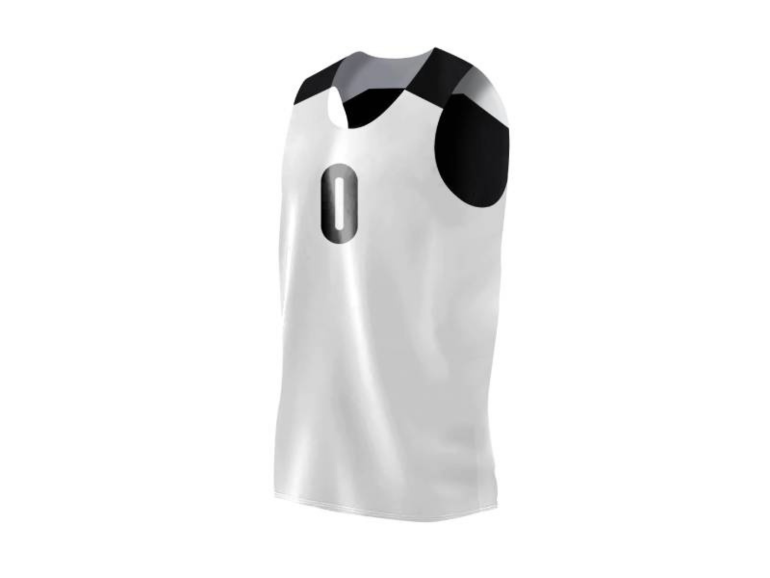
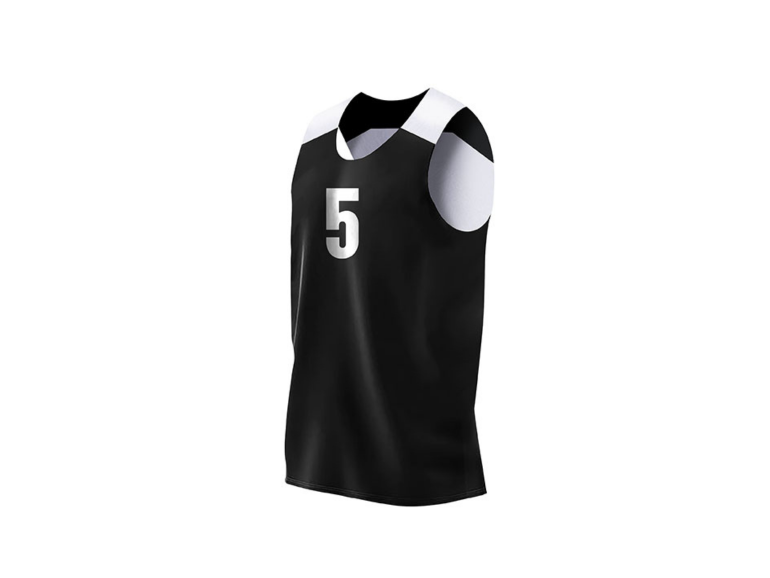
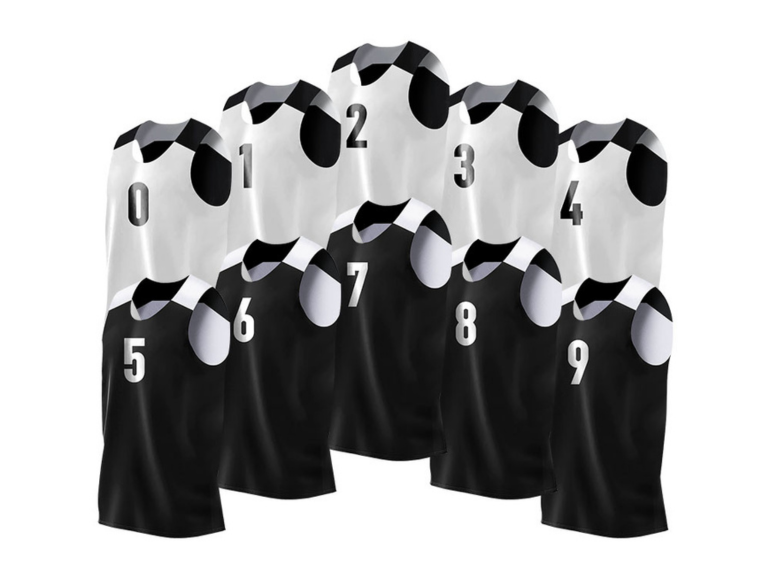
If your time is worth anything to you, numbered. Buying blanks and ironing on numbers for a 15-person team can mean 60+ individual numbers (front and back, both sides on reversibles) and two to three hours of work — and DIY iron-ons often peel within a wash or two. Pre-numbered jerseys frequently cost only around $2 more per shirt than blanks, which is a bargain against the time and durability tradeoff.
It can work if you order regularly, have a vetted supplier, and aren't on a tight timeline. For a one-time order it's risky: slow communication across time zones, inconsistent quality, long production-plus-shipping timelines, and returns that aren't practical to make overseas. Shipping costs also tend to erase the savings. Hit-or-miss — fine if you can absorb a miss, rough if you can't.
For basic and mid-tier customization, yes — better than most people expect. Fast shipping, easy returns if sizing's off, and a wide selection of numbered sets. If you need true full-custom (your own design, sublimated graphics, sponsor logos), look to a sport-specific specialist instead.
Customization
Most coaches overestimate this. "Matching jerseys with numbers" is a very different (and cheaper, faster) order than "fully custom designed kit." Decide whether you're in basic (numbers only), mid (numbers + names + maybe a logo), or full-custom territory before you start shopping — it narrows your options fast.
Choose a specialist, not a generalist. Sites focused on a single sport or style almost always beat the "we do every sport" shops on quality. Search the sport and the style together — for example, the hoodie and sleeveless cuts popular in competitive 7-on-7 flag football — and the specialists surface quickly.
Yes, at the mid and custom tiers. Basic tiers are usually numbers only. If you want names, confirm it's included before ordering and check how it's applied (see durability below).
For most rec and amateur teams, just numbers. Every extra mark — team name, last name, logo — is a separate decoration step that adds cost. Full custom with name and number typically runs $30–60 per jersey; numbers-only is more like $11–15. Once organizers see that gap, most drop everything except the number, because numbers alone are enough to look like a team and tell players apart. Pay for names and logos when you have a real reason — a sponsor, a brand identity, a competitive program — not by default.
Usually not. Once a jersey is printed with names or a custom design, it's generally non-returnable. Standard numbered jerseys, by contrast, can typically be returned or exchanged — another reason numbers-only is the lower-risk choice for a team order.
Numbering and durability
Three reasons: time (60+ numbers and several hours for a typical team), durability (DIY iron-ons commonly peel after one or two washes), and appearance (hand-pressed numbers are rarely straight or centered, so the team ends up looking homemade). Professionally applied numbers avoid all three.
Properly applied numbers — heat-pressed or sublimated by a real decorator — should last a full season of regular washing. DIY iron-ons typically won't. If durability matters, ask how the numbers are applied before you buy.
Most teams want both, which is part of why the DIY number count climbs so fast. Reversible jerseys double it again. Factor this in when comparing "blank plus do-it-yourself" against pre-numbered options.
Ordering and logistics
Domestic mid-tier options often ship in a few days. Full-custom takes longer because of design and production. Overseas bulk is the slowest and least predictable once you add production, shipping, and customs. If you have a hard date (first game), build in margin for a sizing fix.
This is where return policy matters most. Domestic sellers and Amazon make exchanges practical; overseas bulk returns usually aren't worth the shipping. Always check the size chart against your actual roster before ordering, and favor sources where a fix is realistic.
Order from a single source in one batch. Piecing an order together across sellers or over time is how you end up with shirts that are subtly different shades or cuts. One order, one source, one look.
Pro90 Elite makes quality numbered team jerseys — front and back, professionally applied, shipped in days. See the lineup.